
By Tora Agarwala in East Khasi hills, Meghalaya
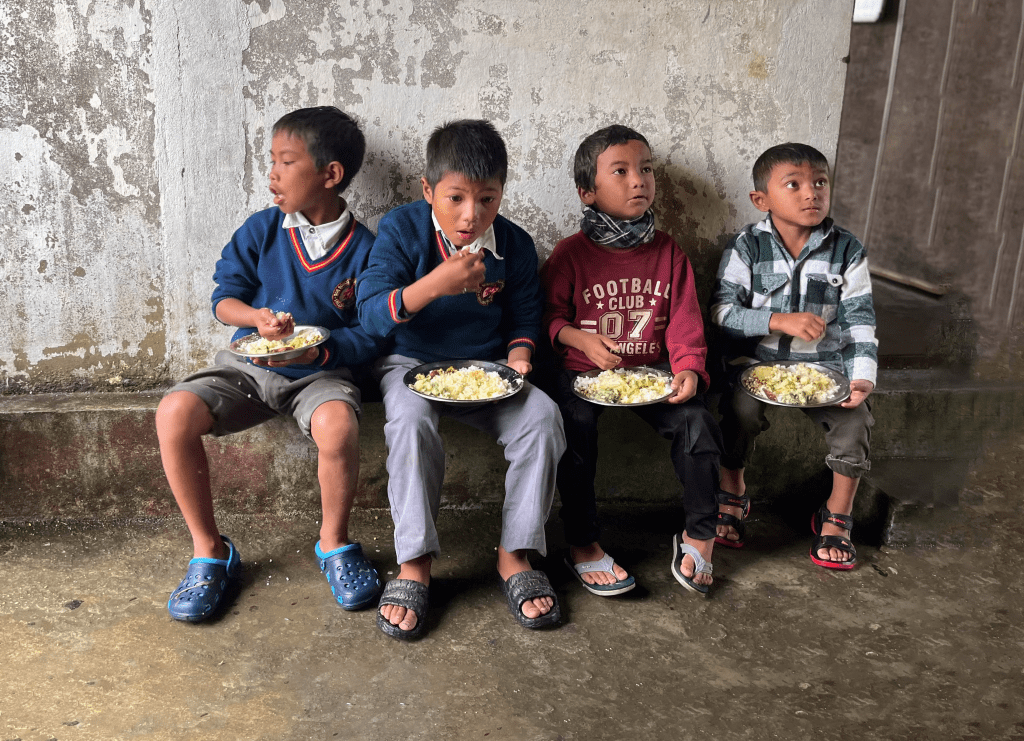
Excited chatter and the clattering of steel plates drown out the din of the monsoon rains: it is lunchtime in Laitsohpliah government school in the north-east Indian state of Meghalaya. The food has been cooked on-site and is free for everyone, part of India’s ambitious “midday meal” – PM Poshan – programme to incentivise school enrolment.
The scheme covers more than 1m state-run schools across the country, but the menu at Laitsohpliah is hyperlocal, thanks to a recent charity initiative in the state.
This lunchtime, apart from the staple rice and dal, there is a dish of potatoes with east Himalayan chives, cured dry fish and sohryngkham, a wild berry pickle. Much of it has been sourced from local farmers, including parents of the pupils, while the rest has been grown in the school’s kitchen garden.
“Our students don’t like skipping meals any more,” says the headteacher, Nestar Kharmawphlang, who has taught at the school for 30 years.
Across the remote state of Meghalaya – originally part of Assam and home to the Khasi, Jaintia and Garo communities – fresh, locally sourced ingredients such as millet, fruit and wild greens are used to supplement the carbohydrate-heavy fare of rice, lentils and the occasional egg that dominate the programme’s menus.
The shift is courtesy of an initiative by the North East Society for Agroecology Support (Nesfas), which aims to make school lunches healthier, more sustainable and climate-resilient. Since 2022, Laitsohpliah has been one of 26 government-run schools in the state where lunches are transforming children’s appetites and energy levels through the use of locally grown and nutrient-rich ingredients.
Experts say the model is promising because while the government scheme, launched in 1995, has aimed to provide free, nutritious meals to its poorest children, its impact has been limited by budget constraints and other challenges in a country where more than half of children under five are chronically malnourished and more than a third are stunted.
“The results would need more independent scrutiny,” says Reetika Khera, a development economist who teaches at Delhi’s Indian Institute of Technology. “But in principle, decentralisation initiatives like these can reduce costs, ensure fresher produce and better nutrition.”
The local government in Meghalaya has taken note too, inviting the charity to train more than 7,000 school cooks with the aim of diversifying menus using indigenous foods.
Back at the school in Laitsohpliah, the cook serves lunch through a window of the school’s cramped kitchen….
+++++++++++++++++++++++++++++++++++++++++++
 After the truth-shower