
A beautiful soul, forever with us
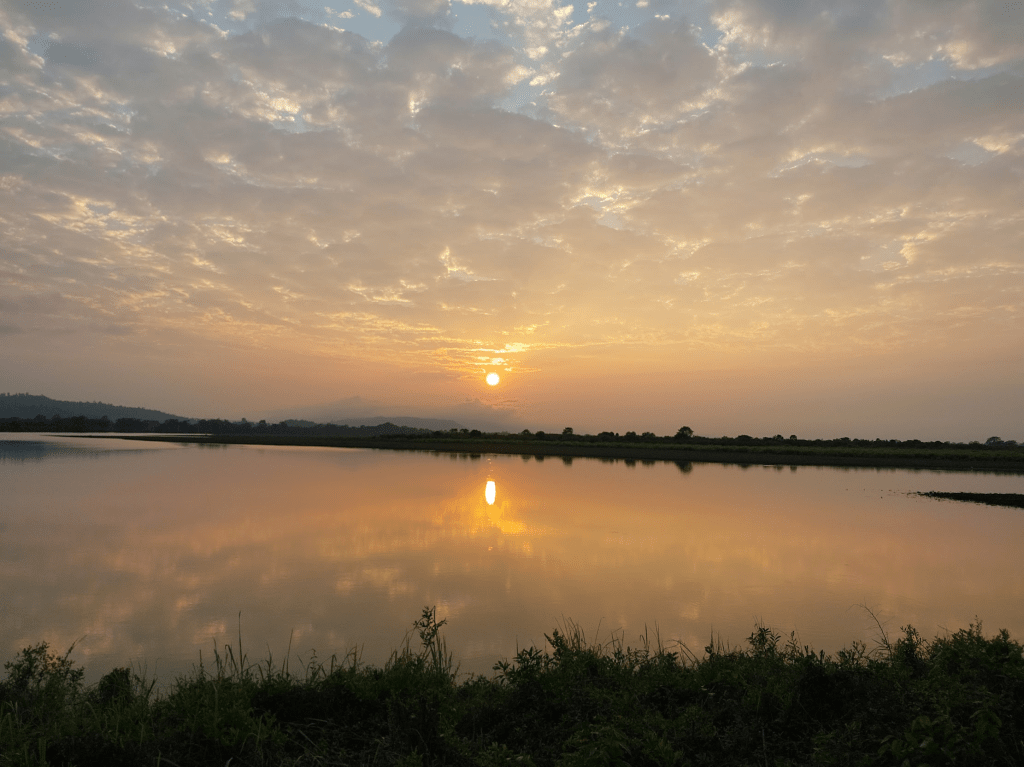
Sun sets over Kaziranga
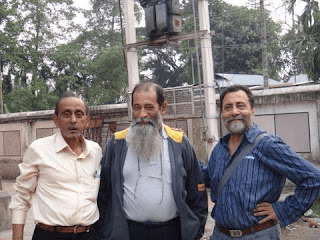
Achintya (Monju) Barua, founder of Wild Grass resort Kaziranga; a devotee of wild life and natural conservation; known and loved by numberless people the world over passed away this morning, May 17. We had spoken over the phone at 7.50 am, he was coughing, and said he felt ill but otherwise alright. At around 1 pm I learned from another old friend that he had passed away.
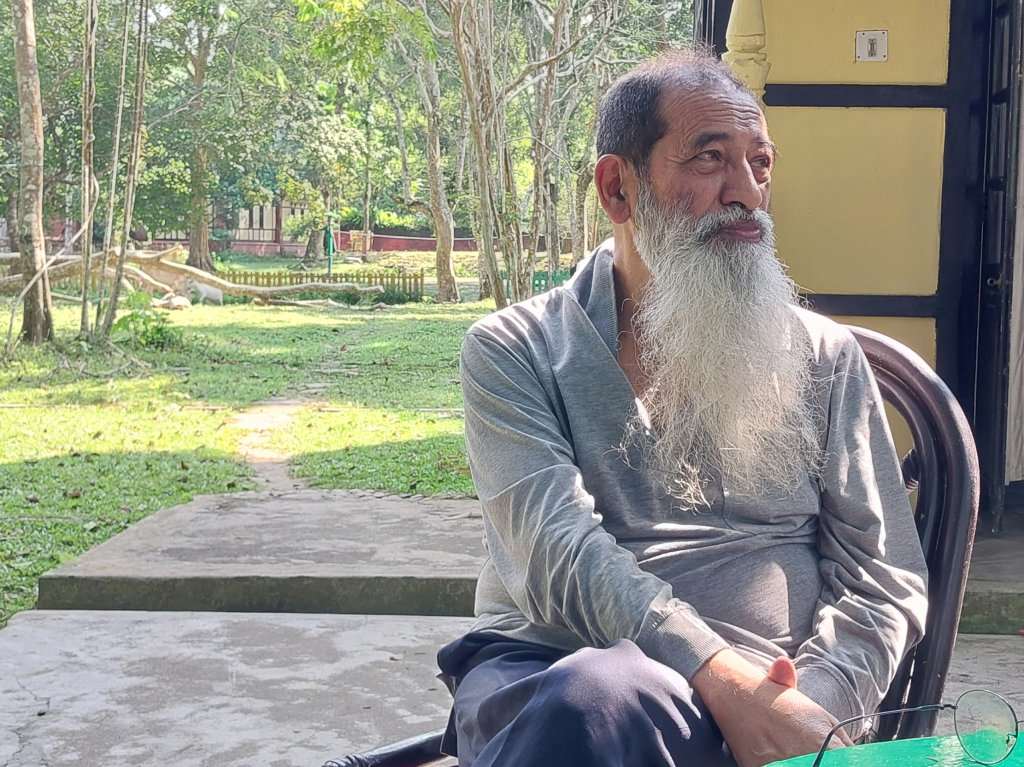
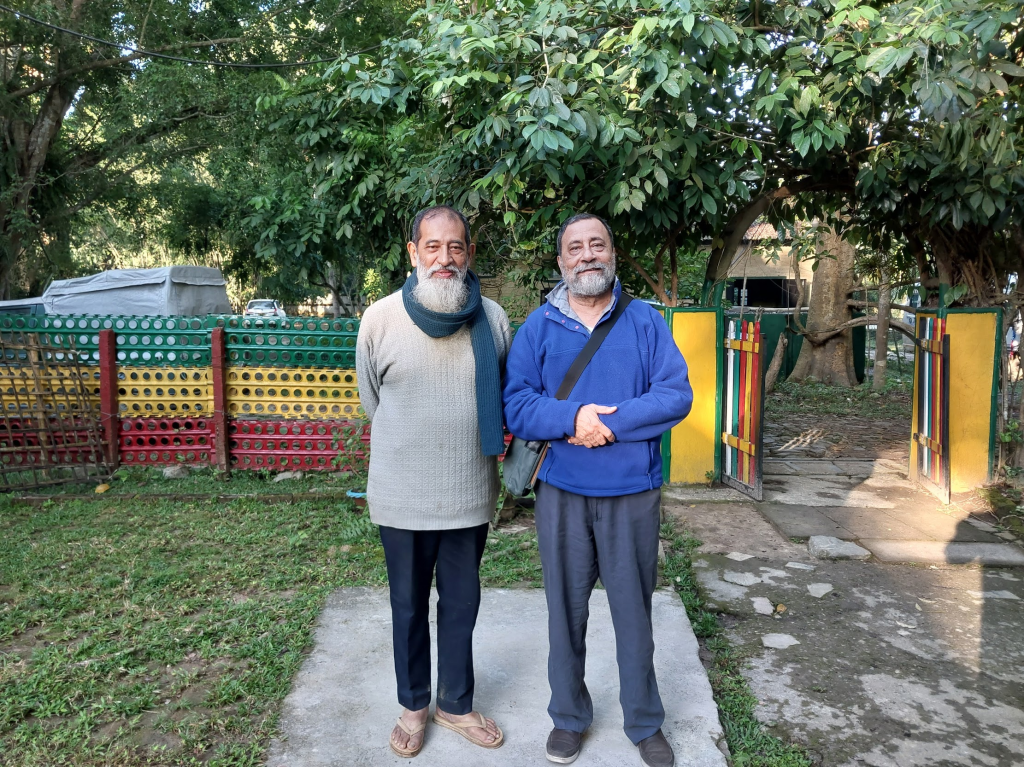
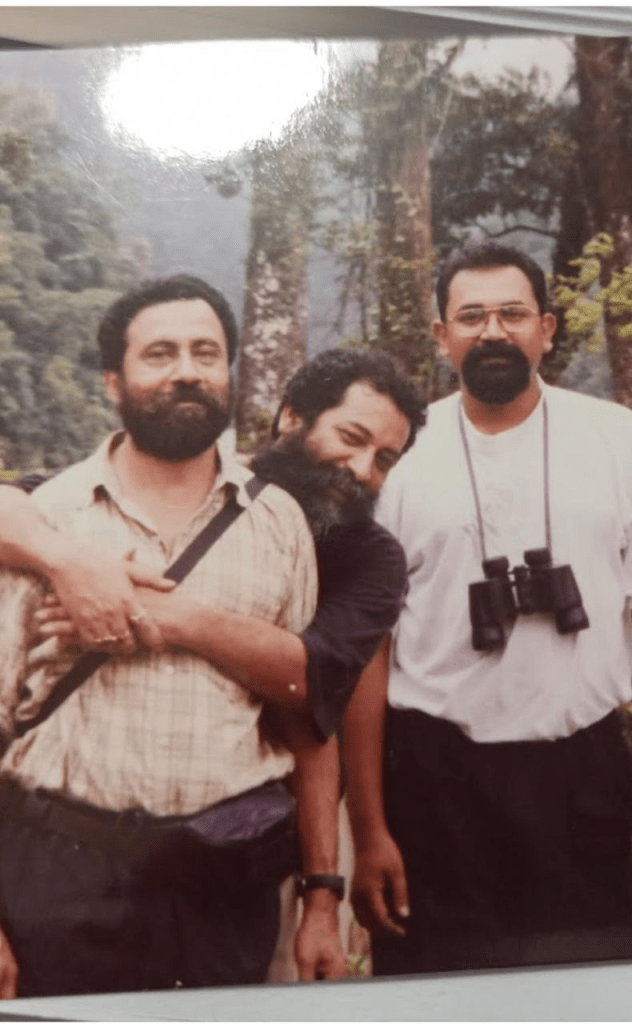
Words fail me, I will write more over the days, but for now, can only mourn for a beloved friend and comrade whom I first met in St Stephen’s College 58 years ago.
My heartfelt condolences to Moromi, Maan and all the family.
Monju was my brother, my family too.
Time takes us all away, but I was planning to visit him this year, and wish he had stayed with us a while longer. I feel as if one of my roots has been torn out of the ground. Goodbye Monju, rest in peace my old friend. You left too early
In Naxalbari, forty-eight years later
Achintya Barua remembers Ranajit Guha
A Political Man: Memories of Ranajit Guha
+++++++++++++++

Wild Grass: Monju’s towering achievement
;An eloquent obituary in a North east tourism industry group
“Today, with Manjuda’s passing, Assam tourism and the global wildlife fraternity have lost not merely a pioneer, but a rare soul whose warmth, wisdom, humility, and humanity touched countless lives. Deeply admired among wildlife lovers, naturalists, conservationists, guides, and travellers from across the world, he belonged to that remarkable generation which helped shape wildlife tourism in Kaziranga long before it became globally known. His legacy will continue to endure through the quiet values he practiced every day and inspired in so many others.
The story of Wild Grass at Kaziranga remains one of the most inspiring chapters in the early history of tourism in Northeast India. In the early 1990s, when tourism in the region was still in its infancy, Wild Grass stood almost alone as one of the few established resorts in the Northeast. Built by Manjuda in the 1990s, it became the first private property in Kaziranga and is widely credited with helping place Kaziranga on the global wildlife map. Behind it was the extraordinary vision of Mr. Achintya Kr. Barua — affectionately known to all as Manjuda.
Far ahead of his time, Manjuda understood that tourism was not built only by owners or guests, but equally by the countless Sarothis, drivers, guides, and ground staff who silently carried the industry on their shoulders. At Wild Grass, he created a dedicated “Sarothi’s Room” with bunk beds, ceiling fans, and separate toilets – a gesture almost unheard of in those days. What made it even more remarkable was that he never charged Sarothis for their stay or meals, treating them instead as an inseparable part of the Wild Grass family. Through such thoughtful acts, he quietly set a benchmark for hospitality rooted not merely in comfort, but in dignity, empathy, and respect.
Wild Grass itself reflected Manjuda’s philosophy of living in harmony with nature. The property evolved into a botanical haven with more than 40 species of trees and nearly 200 species of shrubs and creepers, creating an atmosphere that felt deeply connected to the forests of Kaziranga. In sharp contrast to today’s concrete resorts, Wild Grass offered an authentic jungle lodge experience, free from televisions and the distractions of modern technology, allowing guests to truly immerse themselves in nature.
Evenings at Wild Grass became legendary in their own way. Guests from across the world would often gather around Manjuda to listen to his fascinating stories, thrilling encounters, and profound knowledge of Assam’s wildlife, forests, and people. For many travellers, those conversations became as memorable as the safaris themselves. His storytelling carried not only adventure, but also a deep love and respect for the natural world.
There are countless stories of Manjuda that continue to live in the memories of those who knew him. Many of us learned invaluable lessons from him. Though he was not a tour operator himself, his practical wisdom profoundly shaped how we approached tourism and designed itineraries. I still remember him once advising me that while sending tourists to Shillong and Cherrapunjee during winter, one must honestly mention that most waterfalls remain dry in that season, and travellers should carry packed lunch to Cherrapunjee – because in those days there were hardly any restaurants there, let alone accommodation. That honesty, foresight, and genuine concern for the traveller’s experience reflected the sincerity with which he approached tourism and life itself.
With Manjuda’s departure, an era quietly comes to an end. Yet his spirit will continue to live on in the forests of Kaziranga, in the memories of travellers from around the world, and in the hearts of all those whose lives he touched with kindness and grace.
May his noble soul rest in eternal peace. Om Shanti”
+++++++++++

